Introduction
In a developed globe where physical labor and handbook tasks are prevalent, the importance of security can not be overstated. One important facet of office safety and security is hands-on handling, which incorporates various activities including the lifting, carrying, pushing, pulling, or relocating of objects. Regardless of the obvious simplicity of these tasks, they can bring about severe injuries otherwise done properly. Therefore, Manual Managing Training: Essential Skills for Office Safety becomes a necessity in every work environment.
This training furnishes workers with the expertise and strategies required to minimize dangers while executing hands-on taking care of tasks. It embodies an extensive approach that not just stresses physical skills but also incorporates mental readiness and awareness of risks. This short article will delve into different aspects of manual handling training, its significance, methods entailed, and exactly how it intertwines with other crucial abilities like first aid training.
Understanding Manual Handling
What is Manual Handling?
Manual handling refers to any kind of task that involves lifting, reducing, pushing, pulling, carrying, or relocating things by hand or bodily pressure. The tasks vary from simple tasks like raising a box from the ground to much more intricate circumstances involving mechanical aids.
Why is Guidebook Handling Important?
The key factor manual handling is so important lies in its straight correlation with office security. According to stats from Safe Work Australia, musculoskeletal conditions (MSDs) resulting from incorrect hands-on handling are among the leading sources of work environment injuries. Correct training can significantly lower these risks.
Common Handbook Handling Injuries
Back Injuries: Usually resulting from inappropriate lifting techniques. Shoulder Stress: Triggered by repetitive overhead lifts. Knee Injuries: Arising from unpleasant bending. Wrist Pressures: Connected with recurring motions. Ankle Strains: Triggered by unsteady surface areas while carrying loads.Each injury kind has its unique effects for healing time and economic prices involved for both employees and employers.
Legal Requirements for Guidebook Handling Training
Workplace Health and wellness Regulations
Most countries have rigid guidelines governing work environment safety that consist of arrangements for hands-on handling training. Employers are legitimately obliged to guarantee their workers are adequately learnt secure hand-operated handling practices.
Risk Assessments
Employers must perform threat analyses regularly to determine potential hazards related to hand-operated handling jobs. These assessments ought to lead the design of training programs customized to resolve particular demands within the organization.
Techniques for Safe Guidebook Handling
Lifting Techniques
Position Your Feet: Keep your feet shoulder-width apart for balance. Bend Your Knees: Crouch down rather than bending at your waist. Keep the Tons Close: Preserve close call between your body and the load. Lift With Your Legs: Utilize your leg muscles instead of your back when lifting. Avoid Twisting Your Body: Turn your whole body rather than turning at the waist.Carrying Techniques
- When bring an object: Ensure you can see where you're going. Balance the tons uniformly on both sides if applicable.
Pushing and Pulling Techniques
- Use your body weight to press as opposed to exerting force with your arms alone. When pulling a things in the direction of you, maintain it near your body.
Integrating First Aid Educating with Handbook Handling Training
Importance of First Aid Skills in Manual Handling
Accidents can happen in spite of best efforts. As a result, integrating first aid training within hands-on handling courses boosts overall safety and security culture within organizations.
Key Areas of Focus:
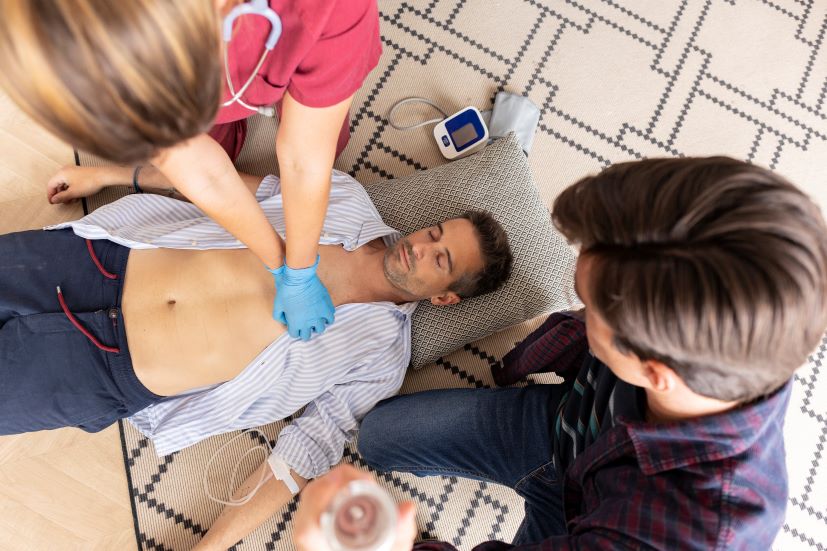
Recognizing indicators of injury throughout or after manual handling tasks. Understanding basic first aid concepts such as DRSABCD:- Danger Response Send for help Airway Breathing CPR (Cardiopulmonary Resuscitation) Defibrillation
First Help Training course Options Available
Organizations typically provide different alternatives for first aid programs:
- Basic First Aid Courses CPR Certification Courses Mental Wellness First Aid Courses
These programs give crucial abilities that match hand-operated dealing with training by guaranteeing workers can respond suitably in emergencies.

First Help Qualifications Connected to Workplace Safety
Obtaining a first aid certificate is vital not only for conformity but likewise for promoting a safer work environment:
- First Help Certificate: Verifies expertise concerning basic first aid procedures. CPR Accreditation: Furnishes people with life-saving methods essential throughout cardiac emergencies.
How Long Does a First Aid Certification Last?
Typically, accreditations require renewal every three years; nevertheless, it's a good idea to examine certain course requirements as they might differ by area or provider.
Mental Health Understanding in Work Environment Safety
The Function of Mental Wellness First Aid
first aid courses in toowoombaPhysical security is extremely important; however, mental wellness similarly contributes to general work environment health:

FAQs Concerning Guidebook Handling Training
1. What does "hands-on handling" encompass?
Manual handling includes activities such as training, lowering, pushing, pulling, carrying or relocating objects making use of hand or physical force.
2. Why do I need manual managing training?
To reduce risks related to injuries while executing physical tasks at the office and comply with legal requirements surrounding office safety.
3. Exactly how typically must I undertake hands-on handling refresher course courses?
It's suggested that refresher courses occur every two years; however, this may differ based on organizational policies or regulative requirements.
4. Exist details certificates I need related to hand-operated handling?
While there isn't a global accreditation specifically for manual handling alone-- numerous organizations integrate it into wider job-related health and wellness programs consisting of first aid certifications.
5. Can I find regional training courses near me?
Yes! Look online utilizing terms like toowoomba first aid qualifications "first aid training course near me," "hand-operated handling training," or "first aid courses near me" relying on your location.
6. Exactly how does psychological health connect to physical office safety?
Mental health effects focus and energy degrees-- necessary facets required when carrying out physical tasks safely; hence comprehending this connection cultivates a more holistic strategy in the direction of workplace wellness programs.
Conclusion
In conclusion, efficient hands-on handling training works as an important element of work environment safety methods across markets today-- from construction websites calling for white card accreditations in Australia to workplace environments where correct ergonomic methods matter just as much! By emphasizing risk-free practices alongside vital emergency action skills such as first aid training-- consisting of CPR instruction-- we create more secure offices geared up not just physically yet additionally mentally prepared versus unexpected circumstances that can emerge at any moment!
With cautious application coupled together through continuous academic possibilities-- such actions will inevitably cultivate much healthier work cultures leading toward boosted productivity degrees amongst teams anywhere!
As we journey forward in the middle of developing industry landscapes filled with continuous modification-- the commitment towards focusing on staff member health through extensive programs consisting of both useful hands-on experience along with intellectual development remains timelessly relevant now more than ever before before!